
Standing water on a patio after rainfall can be frustrating. Puddles may make the surface difficult to use, leave marks on paving and create slippery areas. However, the cause is not always obvious. Poor surface levels, blocked drainage outlets and water flowing from surrounding areas can all contribute to the problem. Understanding the cause is the first step towards finding suitable patio drainage solutions in Ware. Whether you have noticed occasional puddles or water that remains for several days, identifying the underlying issue can help you decide what needs attention.
Why Does Water Pool on a Patio?
Water should be able to drain away from a properly designed patio without collecting in persistent puddles. When it does not, there may be an issue with the paving levels, drainage arrangements or surrounding ground conditions.
Here are some common reasons why water may collect on a patio.
Incorrect or Insufficient Surface Fall
Patios are generally designed with a slight fall to direct rainwater away from the house and towards a suitable drainage area. If the surface is too flat, or the fall has been installed incorrectly, water may remain on the paving instead of draining away.
The direction of the fall is also important. Water should not be directed towards the property where it could contribute to dampness or other water-related problems. The appropriate gradient depends on the paving material, site layout and drainage arrangements.
Blocked or Inadequate Drainage
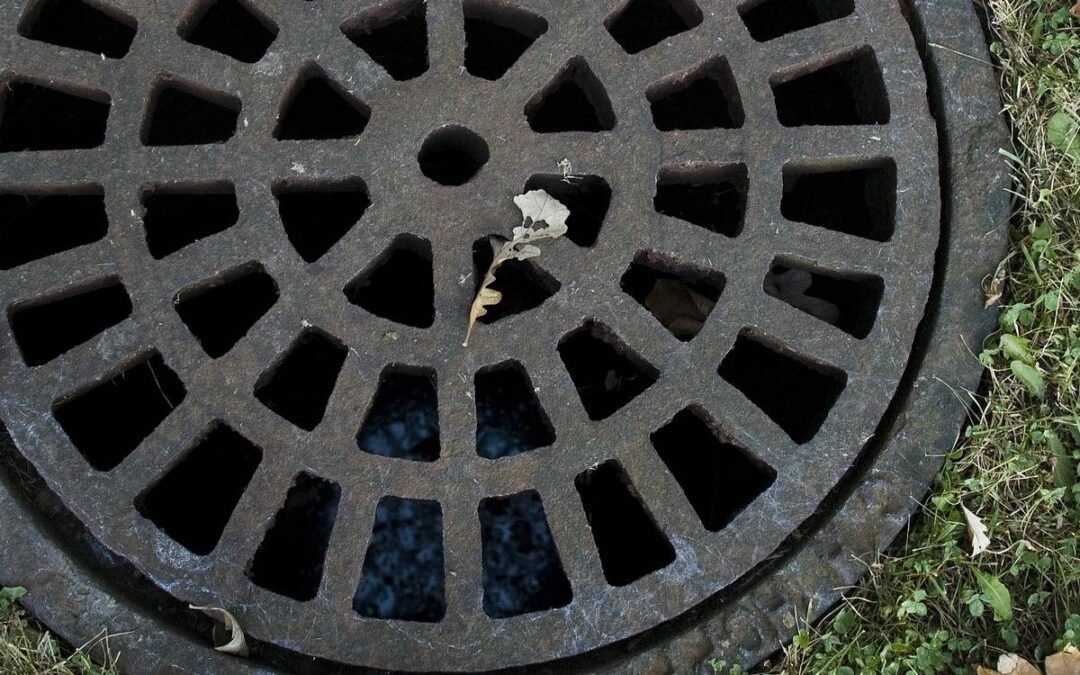
Some patios have drainage channels, gullies or other drainage outlets to collect and direct surface water. Leaves, soil, moss and other debris can accumulate in these areas over time.
When an outlet becomes blocked, water may struggle to escape, causing puddles to form around the affected area. Drainage systems may also be insufficient for the amount of water reaching the patio, particularly during heavy rainfall.
Water Running onto the Patio from Surrounding Areas
A patio does not collect water only from the rain that falls directly onto it. Run-off from nearby lawns, garden beds, paths, roofs and other hard surfaces can also flow onto the paving.
If the surrounding ground slopes towards the patio, additional water may collect in low areas. This can make an otherwise manageable drainage issue more noticeable during periods of heavy rain.
Settlement or Changes in the Patio Surface
Over time, paving materials can move or settle because of changes in the ground beneath them, inadequate preparation or other site conditions.
When individual slabs or sections of paving become uneven, low points can develop. These areas may collect rainwater even if the original patio was installed with suitable drainage falls.
How to Identify a Patio Drainage Problem
Recognizing the signs of poor drainage can help homeowners decide whether simple maintenance is sufficient or whether further investigation is needed.
Look for Recurring Puddles After Rain
Pay attention to where water collects and how long it remains after rainfall. Occasional dampness is not necessarily a drainage problem, but persistent puddles in the same locations may indicate an issue with the surface levels or drainage arrangements.
Take note of whether the problem occurs after light rainfall, heavy showers or both. This information can help when discussing the issue with a paving contractor.
Check for Uneven Areas and Blocked Outlets
Look across the patio for visibly uneven slabs, sunken sections and areas where water appears to collect. Also inspect accessible drainage channels and grates for leaves, mud and other debris.
Avoid lifting drainage covers or attempting repairs to unfamiliar drainage systems. If an outlet appears damaged or difficult to access, it is better to seek appropriate advice.
Notice Water Entering Adjacent Areas
Observe where the water travels during rainfall. Does it run towards the house, collect beside a wall or flow into a neighboring garden area?
Water moving into unwanted areas may indicate that the patio’s surface fall or surrounding drainage needs attention. Addressing the direction of water flow is important, not just removing the visible puddles.
Patio Drainage Solutions: What May Help
The right solution depends on why water is collecting, the condition of the existing paving and the layout of the property. A solution that works for one patio may not be suitable for another.
Clearing Suitable Drainage Channels and Outlets
If the problem is caused by debris blocking an accessible drainage channel or outlet, careful cleaning may help restore water flow.
Regularly removing leaves, dirt and other loose debris can reduce the risk of blockages. However, cleaning alone will not solve problems caused by insufficient drainage capacity, damaged outlets or incorrect patio levels.
Improving Surface Levels or Falls
Where water collects because the patio does not have a suitable fall, the affected paving may need to be adjusted.
This could involve correcting a small section or addressing a larger part of the surface. The aim is to direct water towards an appropriate drainage point without allowing it to flow towards the property or create problems elsewhere.
The required adjustments should be determined after checking the existing levels and surrounding ground conditions.
Adding or Adjusting Drainage
Some patios may benefit from additional or improved drainage arrangements. Depending on the site, possible options may include linear drainage channels, suitable surface-water collection points or other drainage measures.
The drainage design should consider where collected water will go and whether the proposed discharge method is appropriate. Simply installing a channel without planning its outlet may move the problem rather than resolve it.
Repairing or Relaying Affected Paving
If the paving has become uneven or sections have settled, repairing or relaying the affected area may be necessary.
A contractor may need to inspect the paving, bedding layer and underlying preparation to understand why movement has occurred. Depending on the extent of the problem, local repairs may be sufficient, while more extensive work may be required in other cases.
For homeowners considering improvements to their outdoor space, exploring professional patio paving services can help when planning the appropriate work. The final solution should always be based on the actual site conditions rather than assuming that the entire patio needs replacing.
Can Patio Drainage Problems Be Prevented?
Good planning and regular maintenance can reduce the likelihood of water pooling on a new or existing patio.
Plan Drainage Before Installing a New Patio
Drainage should be considered before paving work begins. The contractor should assess the ground levels, the direction of surface falls, nearby buildings and existing drainage arrangements.
Planning these details in advance can help prevent water from collecting in unwanted areas after installation.
If you are planning a new outdoor space, learn more about patio paving in Ware and consider discussing drainage requirements as part of the initial project planning.
Keep Drainage Routes Clear
Leaves, soil, moss and garden debris can gradually build up in drainage channels and outlets.
Regular sweeping and checking accessible drainage points can help maintain water flow. Pay particular attention during autumn when fallen leaves may accumulate more quickly.
Choose Suitable Materials and Installation Methods
Different paving materials have different installation requirements. The preparation of the base, bedding materials, jointing methods and surface levels all influence the finished patio.
Choosing suitable materials and using appropriate installation methods can help create a stable surface with effective water management. The design should also account for the property’s existing ground conditions and drainage requirements.
DIY Checks vs Professional Patio Drainage Work
Not every patio drainage concern requires extensive repair work. Some issues may be related to simple maintenance, while others need a more detailed assessment.
Simple Checks Homeowners Can Carry Out
Homeowners can start by:
- Observing where puddles form after rainfall.
- Checking whether accessible drainage channels are clear.
- Removing loose leaves and surface debris.
- Looking for visibly sunken or uneven paving.
- Noting whether water flows towards the property or surrounding areas.
These checks can help identify possible warning signs. However, they cannot always establish the underlying cause of the drainage problem.
Avoid attempting major adjustments to paving levels or drainage systems without understanding how the existing surface and water routes are designed.
When to Request a Professional Assessment
Consider contacting a suitable contractor if:
- Water repeatedly collects in the same areas.
- Puddles remain long after rainfall has stopped.
- Several paving slabs have become uneven or sunken.
- Water flows towards the house or affects nearby structures.
- Existing drainage channels appear damaged or ineffective.
- Previous attempts to clear the drainage have not resolved the issue.
A professional assessment can help establish whether the problem relates to surface levels, blocked outlets, ground movement or inadequate drainage arrangements.
Choosing Patio Paving Support in Ware
If you are experiencing patio drainage problems, choosing the right contractor is important. Rather than focusing only on removing visible puddles, look for someone who can investigate why the water is collecting and explain the options available.
Before agreeing to any work, consider asking the contractor:
- What is causing the water to collect? Ask them to identify whether the issue relates to surface falls, blocked outlets, uneven paving or surrounding ground conditions.
- What solution do you recommend? They should explain why the proposed work is suitable for your patio.
- How will the water drain away? Ask where the water will be directed and how the drainage arrangements will work.
- Will the existing paving need to be replaced? Find out whether local repairs are possible or whether more extensive work is necessary.
- Can you provide a written quote? The quotation should clearly explain the proposed work, materials and any relevant costs.
If you are looking for paving contractors in Ware, take time to compare their experience, previous work and the clarity of their recommendations. A suitable contractor should be willing to explain the work before it begins.
Need Advice About Patio Drainage in Ware?
Persistent water pooling can affect how comfortably you use your outdoor space. Identifying the cause is important before deciding whether cleaning, repairs, adjustments to the paving or additional drainage work may be needed.
If you are planning a new patio or would like to discuss improvements to an existing one, Greenway Paving & Landscapes can be contacted to discuss your requirements and the work they may be able to assist with.
Explore our patio paving services or contact Greenway Paving & Landscapes to discuss your project and request a quote, subject to confirmation of the relevant service.
Final Thoughts
A patio that repeatedly collects water may have an issue with its surface levels, drainage outlets or surrounding ground conditions. Identifying the cause is more useful than simply treating the puddles as they appear.
Regular maintenance can help prevent avoidable blockages, while suitable installation planning can reduce drainage problems on new patios. Where water continues to collect or paving becomes uneven, an assessment can help determine whether repairs, adjustments or additional drainage are appropriate.
For homeowners in Ware, taking the time to investigate the problem and choose a suitable solution can help protect the condition and usability of the patio.
Frequently Asked Questions
- Why does water sit on my patio after rain?
Water may remain on a patio because the surface does not have a suitable fall, drainage outlets are blocked or the paving has become uneven. Water running onto the patio from surrounding areas can also contribute. The cause should be identified before choosing a solution.
- Should a patio slope to allow water to drain?
Yes. A patio generally needs a suitable surface fall so rainwater can drain towards an appropriate collection or drainage area. The direction and gradient should be planned according to the paving material, site layout and surrounding conditions.
- Can uneven patio slabs cause water pooling?
Yes. When slabs settle or move, low points can develop across the surface. These areas may collect rainwater and create persistent puddles. The affected paving may need to be inspected and adjusted or repaired.
- Can patio drainage be improved without replacing the whole patio?
In some cases, yes. Clearing blocked outlets, adjusting drainage arrangements or repairing a limited section of paving may resolve the problem. However, more extensive work may be needed if the underlying preparation or surface levels are unsuitable.
- When should I call a contractor about patio drainage?
Consider requesting a professional assessment if puddles repeatedly form, water remains for extended periods, paving becomes uneven or water flows towards the property. A contractor can investigate the cause and explain suitable options for addressing it.