
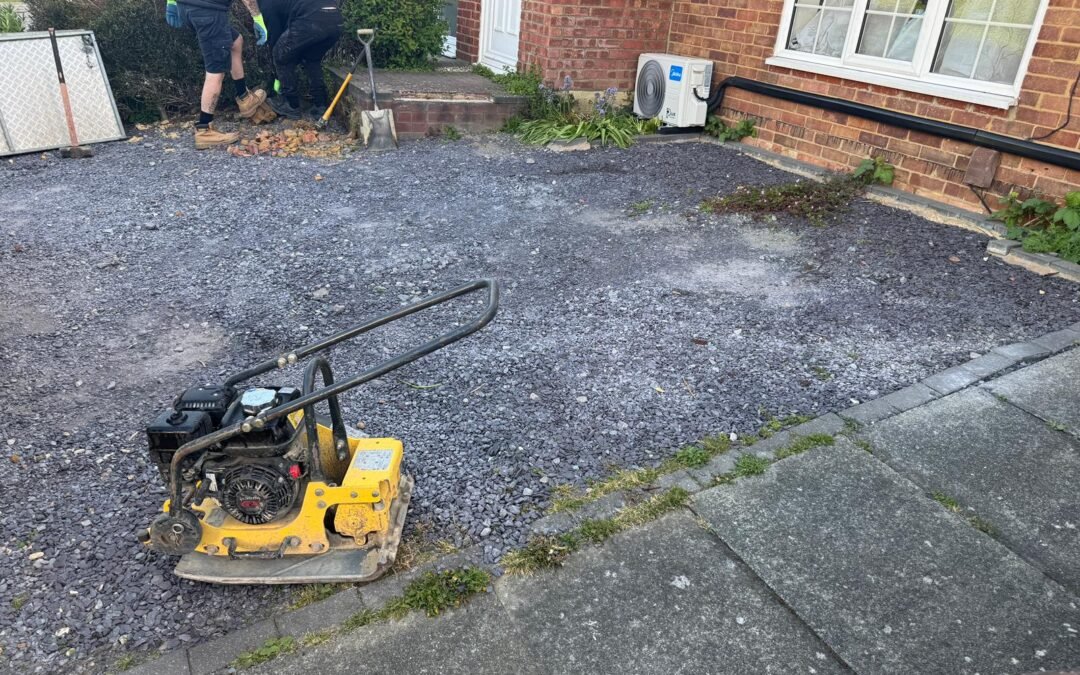
A tarmac driveway provides a practical and attractive surface for everyday vehicle access, but regular use and exposure to changing weather can eventually cause wear and damage. If you have noticed cracks, potholes, loose material or areas where rainwater collects, it may be time to consider tarmac driveway repair in Bishop’s Stortford.
Not every surface problem requires a completely new driveway. In some situations, a localized repair may be sufficient, while more extensive damage could make resurfacing or replacement worth considering. Understanding the warning signs can help you decide when to seek professional advice and what options may be suitable for your property.
Common Signs Your Tarmac Driveway Needs Attention
Tarmac surfaces can develop different types of defects over time. Identifying them early can help you understand whether the problem is mainly cosmetic or may indicate a more significant issue.
Cracks and Small Surface Splits
Cracks are among the most noticeable signs of tarmac driveway deterioration. They may appear as fine lines across the surface or develop into wider splits that become more visible over time.
Small cracks can result from ageing, temperature changes, ground movement or stress from repeated vehicle use. However, larger or spreading cracks may indicate problems beneath the surface.
It is important not to judge the severity of the damage by appearance alone. Water can enter through cracks and affect the layers below the tarmac, potentially making the problem worse. The Asphalt Industry Alliance explains how water entering cracks and crevices can contribute to pothole formation.
If you notice cracks becoming wider or appearing in several areas, consider arranging a professional assessment.
Potholes, Loose Material and Crumbling Edges
Potholes are more serious than minor surface cracks because they can affect the usability and safety of your driveway. They may develop when water enters damaged areas and weakens the underlying material, particularly when combined with vehicle pressure and changing temperatures.
Other warning signs include:
- Small pieces of tarmac breaking away from the surface.
- Loose aggregate appearing across the driveway.
- Edges becoming uneven or breaking apart.
- Depressions forming where vehicles regularly park or turn.
These defects do not automatically mean the entire driveway needs replacing. Depending on their depth, spread and underlying cause, localized repairs may be possible.
However, repairs should address the cause of the damage rather than simply covering the visible defect.
Water Pooling or Drainage Problems
Does rainwater remain on your driveway long after the rain has stopped?
Standing water may indicate an uneven surface, insufficient gradient, blocked drainage or another issue affecting how water flows away from the driveway.
Over time, repeated water exposure can contribute to surface deterioration, particularly if water finds its way into existing cracks or damaged areas.
The UK’s Health and Safety Executive (HSE) highlights the importance of properly drained outdoor driving surfaces. Its guidance explains that standing water can create hazards, particularly when conditions become icy.
Read the HSE’s guidance on driving surfaces and drainage.
If water regularly collects in the same areas, a contractor should assess the surface levels and drainage arrangements before recommending a repair.
Fading, Roughness and General Wear
Tarmac driveways naturally change in appearance as they age. The surface may become lighter, rougher or less uniform after years of exposure to sunlight, rain and vehicle traffic.
Some changes are mainly cosmetic and may not affect the driveway’s performance. However, widespread surface deterioration, loose aggregate or areas becoming noticeably uneven may indicate that maintenance or repair is needed.
Look for changes across the whole driveway rather than focusing on one small patch. The overall condition can help determine whether a minor repair or a more extensive treatment is appropriate.
Tarmac Driveway Repair vs Resurfacing vs Replacement
Once damage has been identified, the next question is what type of work may be required. The appropriate solution depends on the condition of the existing surface, the underlying foundation and the extent of the deterioration.
When a Localized Repair May Be Suitable
A localized repair may be appropriate when damage is limited to a small area and the surrounding driveway remains structurally sound.
Examples include:
- Isolated potholes.
- Small damaged sections.
- Localized cracking.
- Limited areas of crumbling material.
The damaged section may be removed and repaired using suitable materials and preparation methods. However, if the underlying foundation is unstable or the damage continues to spread, a simple patch may not provide a lasting solution.
When Resurfacing May Be Worth Considering
Tarmac driveway resurfacing may be an option when the existing surface has widespread wear, minor surface defects or an uneven appearance, but the underlying structure is still suitable.
Resurfacing generally involves preparing the existing surface and applying a new layer of asphalt or tarmac.
It can improve the appearance and usability of a driveway without necessarily requiring complete reconstruction.
However, resurfacing is not suitable for every damaged driveway. Significant structural problems, poor foundations or unresolved drainage issues may need attention first.
When a Full Replacement May Be Necessary
A complete driveway replacement may be considered when the damage is extensive or the underlying construction has deteriorated.
Possible reasons include:
- Widespread cracking and potholes.
- Significant sinking or movement.
- Extensive failure of the underlying foundation.
- Persistent drainage problems that cannot be resolved through surface repairs alone.
In these situations, removing the existing driveway and rebuilding the necessary layers may be more appropriate than repeatedly repairing individual sections.
A professional inspection can help establish which option is suitable for your property.
What Can Cause Tarmac Driveway Damage?
Understanding the causes of deterioration can help homeowners make better decisions about driveway maintenance and repairs.
Water Ingress and Drainage
Water is one of the main factors that can contribute to asphalt surface deterioration.
When rainwater enters cracks or damaged joints, it may affect the material beneath the surface. During colder weather, trapped water can freeze and expand, placing additional stress on the surrounding material.
Poor drainage can increase the time water remains on or within the driveway, potentially accelerating deterioration.
Vehicle Loads and Ground Movement
Repeated vehicle movements place pressure on driveway surfaces. Heavier vehicles can create additional stress, particularly if the driveway was not designed or constructed to support those loads.
Ground movement and settlement may also cause uneven areas, depressions or cracking.
If the driveway repeatedly develops damage in the same location, the underlying ground or foundation may need to be investigated.
Age, Installation Quality and Maintenance
Like other outdoor surfaces, tarmac driveways experience gradual wear over time.
Their condition can also be influenced by the quality of the original preparation, the materials used, drainage arrangements and how the surface has been maintained.
Poor installation or inadequate foundation preparation may contribute to early deterioration. Regular inspection and timely attention to minor defects can help homeowners identify problems before they become more extensive.
How to Help Maintain a Tarmac Driveway
Although no driveway remains in perfect condition indefinitely, some simple maintenance practices can help keep the surface in good condition.
Keep the Surface Clear and Inspect It Periodically
Remove leaves, mud, loose stones and other debris that collect on the driveway. Pay particular attention to areas around edges and drainage channels.
Periodically inspect the surface for:
- New or widening cracks.
- Small potholes.
- Loose aggregate.
- Uneven or sunken sections.
- Areas where water collects after rainfall.
Taking photographs of developing defects can also help you monitor changes over time.
Address Drainage and Damage Promptly
Check that drainage channels and gullies are not obstructed by leaves, mud or other debris.
If you notice standing water or developing cracks, investigate the cause rather than simply covering the affected area.
The UK Government’s guidance on sustainable drainage systems explains the importance of considering how surface water is managed and how drainage systems are maintained.
Addressing drainage issues and visible defects appropriately may help reduce the risk of further deterioration.
Choosing a Tarmac Driveway Contractor in Bishop’s Stortford
If your driveway needs attention, choosing a suitable contractor is an important part of the process. Before agreeing to any work, make sure you understand the proposed solution and why it has been recommended.
Ask What Is Causing the Damage
A reliable contractor should assess the condition of the driveway and explain the likely cause of the problem.
Ask whether the damage is limited to the surface or whether the foundation, ground conditions or drainage may also be involved.
This helps you understand whether a local repair, resurfacing or complete replacement is being proposed for a reasonable reason.
Compare Scope, Preparation, Materials and Quotes
When comparing quotations, look beyond the total price.
Check whether the quotation explains:
- Which areas will be repaired or resurfaced.
- Whether damaged material will be removed.
- What preparation work is included.
- Which materials will be used.
- Whether drainage or edge work is required.
- What is excluded from the quoted price.
Comparing the actual work involved can help you make a more informed decision.
Ask About the Work Process and Aftercare
Before starting the project, ask about the expected work schedule, site preparation, access arrangements and any restrictions on using the driveway after installation.
You should also understand what aftercare is recommended and whether any workmanship guarantee or warranty applies.
Clear communication helps avoid misunderstandings and ensures you know what to expect.
When Should You Request a Professional Assessment?
You should consider requesting professional advice if your driveway has spreading cracks, multiple potholes, crumbling edges, noticeable sinking or recurring water pooling.
An assessment may also be worthwhile if the surface looks increasingly uneven or you are unsure whether repairs or resurfacing would be more appropriate.
Avoid delaying attention when damage is getting worse or creating a potential trip or vehicle hazard. The sooner the underlying issue is understood, the easier it may be to consider suitable options.
The right recommendation should be based on the actual condition of your driveway rather than a one-size-fits-all solution.
Need Advice on Your Tarmac Driveway in Bishop’s Stortford?
If you have noticed cracks, potholes, surface wear or drainage problems, Greenway Paving & Landscapes can help you discuss your driveway requirements and explore suitable options.
Whether you are considering a new tarmac surface or need advice about an existing driveway, the first step is understanding the condition of the area and the work involved.
Explore our tarmac driveway services to learn more about the options available.
Contact Greenway Paving & Landscapes to discuss your project and request a quotation.
Final Thoughts
A tarmac driveway does not necessarily need to be replaced when the first signs of damage appear. Small cracks, isolated potholes and surface wear may be manageable through appropriate repairs, while more extensive deterioration may require resurfacing or reconstruction.
The important thing is to identify what is causing the problem and choose a solution that suits the condition of the driveway.
If your driveway in Bishop’s Stortford is showing signs of wear, consider getting it assessed before the damage becomes more extensive.
Frequently Asked Questions
- Can a cracked tarmac driveway be repaired?
Yes. Some cracked tarmac driveways can be repaired, particularly when the damage is limited to small areas and the underlying foundation remains sound. However, widespread or recurring cracks may indicate a more significant problem that needs professional assessment.
- When should a tarmac driveway be resurfaced?
Resurfacing may be worth considering when the existing surface has widespread wear or minor defects but the underlying structure remains suitable. If the foundation is unstable or drainage problems remain unresolved, additional work may be required before resurfacing.
- What is the difference between tarmac driveway repair and resurfacing?
Tarmac driveway repair usually involves fixing specific damaged areas, such as potholes or cracks. Resurfacing involves preparing the existing surface and applying a new layer across a larger area. The appropriate option depends on the extent and cause of the damage.
- What causes potholes in a tarmac driveway?
Potholes can develop when water enters cracks or damaged areas and weakens the material beneath the surface. Vehicle pressure, temperature changes, ground movement and poor drainage may also contribute to deterioration.
- How can I find a tarmac driveway contractor in Bishop’s Stortford?
Look for a contractor with relevant driveway experience, clear quotations and a willingness to explain the cause of the damage and the proposed solution. Ask about preparation, materials, drainage, aftercare and any applicable workmanship guarantee before agreeing to the work.