
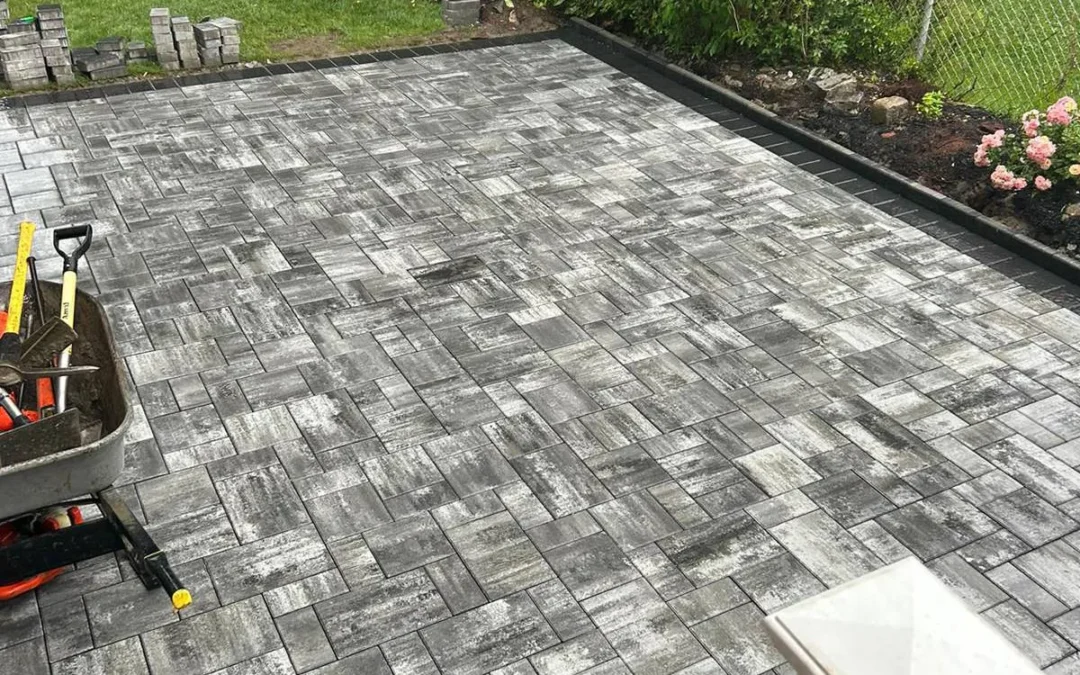
A well-planned patio can make a garden more useful, creating a place to relax, dine outdoors or connect the house with the rest of the garden. If you are researching patio paving in Ware, start by thinking about how you want to use the space, then choose a layout and surface that suit your home and garden.
Patio projects involve more than selecting paving slabs. The ground needs to be prepared, levels and drainage considered, and the size and position planned around doors, paths, planting and access. Material choice matters, but good planning and installation are just as important to the finished result.
This guide explains the main points to consider when planning a patio in Ware, from choosing a style and layout to asking contractors the right questions. Every garden is different, so use these ideas as a starting point and seek advice based on the actual conditions at your property.
Start by Deciding How You Will Use the Patio
Before choosing paving, decide what you want the patio to do. A space intended for outdoor dining needs enough room for a table, chairs and comfortable movement. A patio for relaxing might prioritize seating, planting and a sheltered corner. If you want to connect the kitchen or living room to the garden, the route between the house and patio should feel convenient. Think about how many people will normally use the space and whether you need room for children to play, planters, a barbecue or garden storage. Make sure the layout does not block doors, narrow important routes or leave too little room for furniture. If the garden is compact, a simple design may help it feel more open.
Choosing the Right Patio Paving Material
Patio paving is available in a range of materials, finishes, sizes and colors. The best choice depends on the appearance you want, how the space will be used, your maintenance preferences and the site. Natural stone can offer variation in color and texture, giving a patio a distinctive appearance. Because natural materials vary, ask to see examples of the actual product and clarify how much variation to expect. Check the finish and suitability for the intended use before selecting it. Concrete paving comes in different formats and finishes and can provide a consistent look. Product quality and specification vary, so compare the available options rather than assuming all concrete slabs perform alike.
How to Choose a Patio Style That Suits Your Home
A patio should feel connected to the property rather than look like an unrelated surface placed in the garden. Look at the colors and materials already present in the house, boundary walls, paths and garden features. You do not need to match everything exactly, but a considered palette can help the finished space feel cohesive. Larger paving units can create a clean, modern appearance, while smaller units or varied patterns can produce a more traditional effect. Border details can define the patio’s shape, and the direction in which paving is laid can influence how the space is perceived. The best design depends on the proportions of the garden and the effect you want. Bring practical details into the design too.
Planning Levels and Drainage
Drainage is one of the most important parts of patio planning. Rainwater should be managed so that it does not create persistent pooling or flow towards the house inappropriately. The right approach depends on the existing ground, patio position, surrounding surfaces and applicable requirements. Before installation, ask how the finished levels will relate to thresholds, doors, walls, paths and adjoining garden areas. A patio should not simply be laid at a convenient height without considering how water will move across and away from it. Existing drains, inspection covers and service routes should also be identified. Do not assume that a particular paving material automatically resolves drainage concerns. Surface type, falls, joints, sub-base and drainage features need to work together.
Getting the Size and Layout Right
It can be difficult to judge patio dimensions from a photograph or quick measurement. If possible, mark out the proposed area with string, garden canes or another temporary guide. Place outdoor furniture within the outline and walk around it to check whether the space feels comfortable. This can reveal if the patio is too small, too large or awkwardly positioned. Allow enough space for chairs to move and for people to pass safely. Consider where doors open, how the patio connects to paths and whether there is a practical route for maintenance.
Questions to Ask Patio Contractors in Ware
Before appointing a contractor, ask for a written description of the proposed work and materials. A clear quote helps you understand what is included and compare options fairly. Useful questions include:
- What excavation and ground preparation are included?
- How will the base be constructed for the chosen paving?
- How will levels and rainwater drainage be managed?
- Which paving product, size, color and finish are included?
- Are edging, cuts, steps, waste removal and final cleaning included?
- What is the estimated schedule, and what might affect it?
- What maintenance does the chosen material require?
- Are there site constraints or permissions that should be checked?
- What should I do if I have a concern after the work is complete?
Preparing Your Garden for Patio Installation
Before work starts, agree on access arrangements and confirm which areas need to be cleared. Move pots, furniture, toys and other items from the work area, and discuss how the contractor will protect nearby features that are staying in place. If access through the house or a narrow side passage is required, make sure this is understood in advance. Point out existing drains, cables, outdoor taps, lighting and any known underground services. Tell the contractor about areas where water collects or where the ground has previously moved. A garden plan or information about previous landscaping work may also be useful. After installation, follow the care instructions for the specific paving and jointing materials.
Final Thoughts on Choosing Patio Paving in Ware
When planning patio paving in Ware, start with the purpose of the space, then work through layout, materials, levels, drainage and maintenance. A patio that looks attractive but is awkward to use or poorly drained may not meet your needs. A practical layout can also be improved by choosing paving that complements your home and garden.
Take time to compare material samples and written quotations. Ask contractors to explain how the patio will be prepared, how water will be managed and what is included in the finished project. The right design should be based on the actual site rather than a one-size-fits-all solution.
If you are considering a new patio, Greenway Paving and Landscapes can discuss your ideas and the options for your garden. Contact the team to explain how you want to use the space and ask about the services available for your property in Ware.
Ready to Plan a New Patio in Ware?
Ready to create an outdoor space you’ll love using? Greenway Paving and Landscapes can help you plan a patio that complements your home, suits your garden and meets your needs.
Contact our team today to discuss your patio ideas and request a free, no-obligation quote.
Frequently Asked Questions
- What is the best paving for a garden patio?
There is no single best material for every garden. Natural stone, concrete and porcelain offer different appearances and considerations. Compare the specific product’s finish, maintenance needs, suitability for the site and installation requirements.
- How much does a patio cost in Ware?
Costs depend on patio size, material, excavation, ground preparation, access, drainage, edging, steps and waste removal. A site-specific written quotation is the best way to understand the likely cost.
- How big should my patio be?
Choose a size based on how you plan to use it. Allow room for furniture, movement around chairs, access from the house and connections to paths or lawn. Marking out the area temporarily can help you judge dimensions.
- How important is drainage when installing a patio?
Drainage is essential because levels and water flow affect performance. Ask how the design will manage rainwater and whether site-specific requirements need checking.
- Can a new patio be installed on an uneven garden?
It may be possible, but the design depends on slope, ground conditions, access and level changes. A site assessment can help determine whether steps or additional preparation are needed.
- What should a patio installation quote include?
Check whether it specifies excavation, base preparation, paving product, laying, jointing, edging, drainage, waste removal, finishing, schedule and exclusions. Compare quotes with similar specifications.